


How does a hot air balloon work ?
Hot air ballooning is one of the oldest and most fascinating forms of human flight. This 18th-century invention continues to captivate thousands of people around the world, offering a unique experience of freedom and tranquility in the air.
But have you ever wondered how hot air balloons work? Understanding the science behind this majestic mode of transportation will give you an even greater appreciation for the magic of ballooning.
Aerodynamic principles of balloon
To understand the principles of aerodynamics that allow a balloon to fly, it’s important to know what aerodynamics is. Aerodynamics is a branch of physics that studies the relationship and interaction of gases, especially air, with solid bodies. This branch is fundamental to airplanes, helicopters, balloons, and other vehicles that fly.
Based on Archimedes' law, hot air balloon flight relies on aerodynamic principles that allow it to rise and descend in a controlled manner.
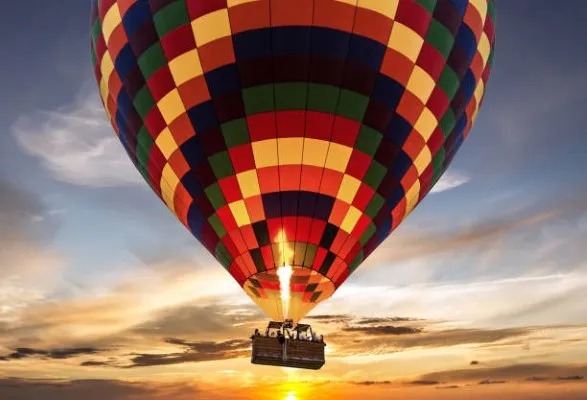
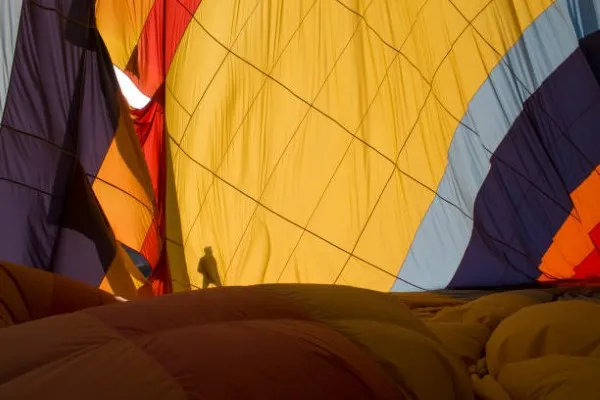
- Hot air balloon structure: A hot air balloon is made of a large, lightweight envelope, usually made of nylon, that holds the hot air. This hot air is less dense and therefore lighter than the cold air surrounding the balloon, creating a pressure difference that makes the balloon float.
- How the burner works: To heat the air inside the balloon, a propane burner is used, producing an intense flame. When the air is heated, the molecules inside the balloon expand, moving faster, which reduces the air density and allows the balloon to rise.
- Altitude control:
- Ascent: When the pilot wants the balloon to rise, he turns on the burner to heat the air more.
- Descent: To make the balloon descend, it simply stops heating the air or allows it to cool gradually, which increases its density compared to the outside air.
Flight Control: The ascent and descent process is the heart of a balloon's aerodynamic function. This allows the pilot to control altitude, but not direction. Balloons do not have a horizontal propulsion system, so they rely entirely on the wind to move from one location to another.
Hot Air Ballooning Unlike airplanes or helicopters, hot air balloons don't have a propulsion system that allows them to move horizontally. Instead, they rely entirely on the wind to move.
Balloon Direction Control: Although the pilot has control over the balloon 's altitude , he or she cannot steer it horizontally. However, this doesn't mean you can't reach your desired destination. The key is:
- Understanding Wind Currents: Winds do not blow the same way in all layers of the atmosphere. At different altitudes, wind direction and speed vary.
- Using currents to their advantage: Hot air balloon pilots take advantage of the variability of the wind. As they ascend or descend, they can find air currents that blow in the desired direction.
The science and art of navigation: Hot air ballooning is both a science and an art. It requires:
Skill and experience: Pilots must have a good understanding of aerodynamics and how weather conditions affect navigation.
The balance of a hot air balloon depends largely on weight distribution. To ensure a stable flight, it is crucial that this weight be well distributed between:
- The balloon
- The basket
- The pilot
- The passengers
Center of Gravity: The center of gravity is the point where the weight of the hot air balloon is distributed . It must be correctly positioned to avoid instability. If the center of gravity is incorrectly positioned, the hot air balloon could:
- Leaning to one side, causing instability
- Becoming uncontrollable
In-flight adjustments: To maintain balance, hot air balloons are equipped with weight systems, such as sandbags. The pilot can:
- Release the ballast to adjust the altitude
- Correct the balance and ensure stability
Balloon Shape: Hot air balloons are generally spherical or slightly elliptical, which helps distribute the hot air evenly. This provides:
- A stable rise
- Avoid uncontrolled turns or movements during flight
Envelope material: Durable fabric, such as nylon, is flexible and allows air to distribute evenly, helping the balloon maintain a consistent and stable shape during flight.
5 steps to fly hot air balloons
In summary, 5 things must happen for a balloon to fly:
- In principle, the burner heats the air inside the balloon, which causes a pressure difference.
3. During the flight, the pilot heats or cools the air inside to ascend or descend.
5. The pilot's experience and knowledge allow the balloon to move horizontally, driven by the wind currents.
2. The air inside is lighter than the air outside and it is thanks to this, according to Archimedes' law, that the balloon, dragged by the air inside, rises.
4. The balloon design and weight distribution ensures that the air stays in the air.
¡Vive la experiencia de viajar con Volando en Globo!
Ahora que conoces cómo funciona aerodinámicamente un globo aerostático, ¿por qué no experimentar esta maravilla de la física tú mismo? En Volando en Globo ofrecemos una variedad de paquetes de viajes diseñados para satisfacer todos los deseos de aventura.
Frequently Asked Questions
A hot air balloon is an unpowered aircraft that uses hot gas to rise and fly. The operating principle of a hot air balloon is based on buoyancy. By heating the air inside the envelope, it becomes lighter (less dense) than the cold air outside, causing the balloon to rise. To descend, the air inside the envelope is allowed to cool, making it denser and heavier, causing the balloon to descend.
The hot-air balloon was invented by the brothers Joseph-Michel and Jacques-Étienne Montgolfier in France. The first successful test flight of a hot-air balloon took place on June 4, 1783, in Annonay, France.
The cost of a hot air balloon ride can vary depending on the location, the length of the flight, and the type of experience you choose. Prices range from $2,300 to $2,900 MXN per person.
In Mexico, there are several places where you can enjoy the experience of flying in a hot air balloon. The most notable are Teotihuacán in the State of Mexico, Valle de Bravo, also in the State of Mexico, and San Miguel de Allende in Guanajuato.
Reviews
I never imagined flying in a hot air balloon would be so incredible. The flight over the Teotihuacán Valley at dawn was simply magical. The landscape, the pyramids, and the clear sky left us speechless. The pilot explained everything about the flight, and his experience and safety were evident. Without a doubt, one of the best experiences I've ever had, ideal for families and friends.

We took a hot air balloon ride as a family and were all amazed by how spectacular it was. The staff was very attentive and explained everything we needed to know. We flew over the Teotihuacán Valley. Seeing the entire landscape from above was truly breathtaking. The kids also had a great time; it was a family experience that everyone thoroughly enjoyed.